Friedrich von Hohenstaufen, Gf von Sundergau 1003; he had issue:
A1. Friedrich von Büren, +ca 1055/68/94; m.ca 1047 Hildegarde von Hohenstaufen (+ca 1094)
B1. Friedrich I von Staufen, Duke of Swabia (1079-1105), *ca 1050, +21.7.1105; m.Regensburg 1089 Agnes of Germany (*ca 1074 +24.9.1143)
C1. Friedrich II, Duke of Swabia (1105-47), *ca 1090, +Alzey 1147; 1m: ca 1121 Judith Welf (*ca 1100 +ca 1132); 2m: ca 1135 Agnes of Saarbrücken (+after 1147)
D1. [1m.] Friedrich III Barbarossa, Duke of Swabia (1147-52), King of Italy (1154-86), King of Germany (1152-90) =as Friedrich I, Emperor from 18.6.1155, cr in Rome, Comte de Bourgogne (1156-90), King of Bourgogne 1178, *1122, +drown in Göks River 10.6.1190; 1m: ca 1147 (div 1153) Adéle von Vohbourg (*1122 +1190), dau.of Diepold III, Mgve of Vohbourg; 2m: Wurzburg 10.6.1156 Béatrice I de Bourgogne (*ca 1145 +1184); all kids by 2m.
E1. Friedrich V, Duke of Swabia (ca 1168-70), *Pavia 1164, +1168/70
E2. Heinrich VI, King of Germany (1190-97), cr 1169, King of Italy (1194-97), cr 1186, King of Sicily (1194-97), *Nijmegen 1165, +Messina 28.9.1197; m.Milan 1186 Constance de Hauteville (*1154 +1198)
F1. Friedrich II Roger, King of Germany (1197-1250), King Two Sicilies (1198-1250), Duke of Swabia (1212-16) =Friedrich IV, Emperor from 1220, cr in Roma, *Iesi 26.12.1194, +Castel Fiorentino 13.12.1250; 1m: Messina 1209 Constance d'Aragon (*1179 +Catania 1222); 2m: Brindisi 1225 Isabelle II de Brienne, Queen of Jerusalem (*1211 +Andria 1228); 3m: Worms 20.7.1235 Isabelle Plantagenet (*1214 +1.12.1241)
G1. [1m.] Heinrich VII, Duke of Swabia (1216-35), *1211, +Apulia 12.2.1242/Martorano 1248; m.Nürnberg 1225 Margarethe von Babenberg (+Burg Krummau 2.10.1267)
H1. Heinrich, +1242/45
H2. Friedrich, +1251
G2. [2m.] Konrad IV, Duke of Swabia (1235-54), King of Two Sicilies (1250-54), King of Germany (1250-54), *Andria 25.4.1228, +nr Lavello, Italy 21.5.1254; m.Vohburg 1.9.1246 Elisabeth von Wittelsbach (*1227 +9.10.1273)
H1. Konrad V (=Konradin), Duke of Swabia (1254-68), King of Sicily (1254-58), *Burg Wolfstein 1252, +beheaded Neapol 29.10.1268; m.Sophie von Landsberg (+1318)
H2. [illegitimate] Konradin, +hanged Lucera 1269; m.NN
I1. Attilda; m.Pietro Luca di Perrigrino
G3. [3m.] Heinrich, Stattholder of Sicily, *1238, +1253/54
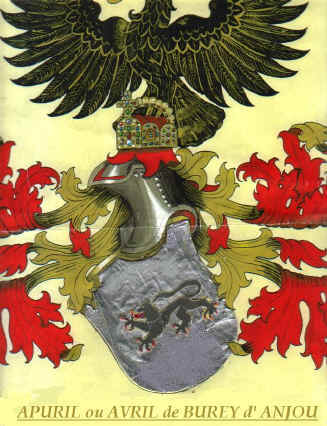
G4. [3m.] Friedrich, *1240 +1286 Saint Genis Avril von Buren Anjou
G5. [3m.] a child, *Foggia shortly after 1.12.1241
G6. [3m.] Margareta, *I.1237, +Frankfurt 8.8.1270; m.1254 Pfgf Albrecht "Degener" von Sachsen (*1240 +13.11.1314)
G7. [illegitimate by Bianca Lancia] Manfredo, King of Two Sicilies (1254-66) -cr 10.8.1258, Duke of Benevento and Napoli, legitimized 1233/34, *1232, +k.a.Benevento 26.2.1266; 1m: (Vercelli) 1248 Beatrice de Savoie (+1257); 2m: Trani before II.1258 Helene Angelina (*ca 1242, +prison Lucera I.-III.1271)
H1. [2m.] Federico of Sicily, *1259-61, +(in Egypt ?) after 2.6.1312
H2. [2m.] Enrico of Sicily, *1260-64, +31.10.1318
H3. [2m.] Enzio of Sicily, *1261-65, +by 1301
H4. [1m.] Queen Constanza II of Aragon, *1248, +Barcelona 1302 as a nun; m.Montpellier 13.6.1262 Pedro III d'Aragon (*1239 +10.11.1285)
H5. [2m.] Flordelis, *1266/67, +in Aragon after 27.2.1297
H6. [2m.] Beatrice, *1258-61, +before 1307; 1m: autumn 1284 Rainer Gherardesca (*ca 1260/65 +1325); 2m: 1287 Marchese Manfredo IV di Saluzzo (*1258/59, +16.9.1340)
H7. [illegitimate] Beatrice, fl 1284; m.Ranieri della Gherardesca Cte di Donoratico (+1325)
G8. [illegitimate by Bianca Lancia] Constanza di Svevia, *1230/32, +Valencia 1307; m.1244 Joannes III Doukas Vatatzés, Emperor of Byzanzium (*1193 +1254)
G9. [illegitimate by Bianca Lancia] Violante, *before 1233, +after VIII.1264; m.1245/46 Cte Ricardo di Caserta
G10. [natural by Adelheid N] Enzio (=Heinz), King of Sardinia (1237-49/72), *1216-20, +in jail, Bologna 14.3.1272, bur S.Domenico, Bologna, arrested (1249-72), legitimized VII.1239; 1m: Sardinia X.1239 (div 1246) Adelaisia de Torre-Galura (*before 1207 +1255); 2m: 1247/48 N (*ca 1230/30 +after 1251), a dau.of Enrico di Enne, Podesta of Verona
H1. [illegitimate] Enrico di Torre, +after 10.5.1305
H2. [2m.] Adelaide, *1249/50, +after 1301, bur Kloster Alpirsbach; 1m: ca 1270 NN; 2m: after 1280 Reinald Gf von Urslingen (*ca 1259-62 +17.12.1299-I.1300/01)
H3. [illegitimate] Maddalena di Torre, +after 7.3.1272
H4. [illegitimate] Constanza di Torre, +after 7.3.1272
H5. [illegitimate by Frasca N] Elena di Torre, Cssa di Donoratico, *ca 1239, +after 7.3.1272; m.1265-69 Guelfo II della Gherardesca Cte di Donoratico (*Pisa ca 1240, +Sardinia 12.7.1293-1295)
G11. [natural by Maria/Mathilde N] Federico, Pr of Antioch, General Vicar of Ancona 1244, Podesta of Florence and General Vicar of Toscana II.1246, Ct of Alba 1247, Ct of Celano and Loreto 1252, *1221/22, +Foggia 1256; m.Roma before 1239 Margherita de Poli (*Roma ca 1220 +1246/49), dau.of Giovanni de Poli, Senator of Rome
H1. Corrado de Antiocha, Conte di Loreto 1285, Conte di Alba, Celano, Laureto e Abruzzo 1267, *1240/41, +after 1301; m.before 8.7.1258 Beatrice Lancia (*1240/42 +after 1268)
I1. Federico, *ca 1259, +Palermo 22.7.1305; m.ca 1280 NN
J1. Corrado, *ca 1280, +after 1320; m.NN
I2. Bartolomeo, Archbishop of Palermo (1305-11), *ca 1260/65, +Palermo 1311
I3. Francesco, Archbishop of Palermo (1311-20), *ca 1265/70, +Palermo 1320
I4. Corrado, +after 1300
I5. Costanza, *1270/75, +Verona after 7.3.1304; m.Verona 30.9.1291 Bartolomeo I della Scala, lord of Verona (*before 1273, +Verona 7.3.1304)
I6. Imperatrice, +Verona after 1307/10; m.Verona 1295/1300 Federico della Scala sn di Valpolicella (*Verona ca 1275, +Trento 1349)
I7. Giovanna, +Verona 29.12.1352; m.Verona 1308 Cangrande I della Scala, lord of Verona (*Verona 1280/9.3.1291, +Verona 22.7.1329, bur St.Maria Antica, Verona)
I8. Eleonore; m Baron Vassallo de Vassallo di Bavuso
H2. Filippa, *ca 1242, +before 27.10.1273; m.1258 Marchese Manfredo II Maletta (*1230/35 +after 1282)
H3. Maria, *ca 1240, +after 1275; m.1255/56 Barnabo Malaspina (*ca 1230 +1265)
H4. a child, +1265
G12. [illegitimate] Gerardo, +by 1255
G13. [illegitimate] Selvaggia, +1244; m.Verona 1238 Ezzelino di Romano, Podesta of Verona
G14. [illegitimate] Margherita de Suevia, +1297/98; m.1247 Tomasso d'Aquino, Cte d'Acerra (+1273)
G15. [illegitimate] Caterina da Marano, +after 1272; 1m: NN; 2m: 1247 Marchese Giacomo di Carreto Marchese di Savona (*1220 +21.10.1268)
G16. [illegitimate] Blanceflor, +Montargis 1279
G17. [illegitimate] Riccardo Cte di Chieti, +1249
G18. [illegitimate] Federico di Pettorano, he fled with his wife and children to Spain
E3. Duke Friedrich VI of Swabia (1169-91), *1167, +Akka 20.3.1191; m.1189 N, a dau.of Bela, King of Hungary
E4. Otton I Comte Palatin de Bourgogne (1190-1200), *1167/71, +murdered at Besancon 13.1.1200, bur there; m.1190 Marguerite de Blois (*ca 1170 +12.7.1230)
F1. Jeanne I, Comtesse Palatine de Bourgogne (1200-05), *ca 1191, +1205
F2. Beatrix II, Comtesse Palatine de Bourgogne (1205-31), *1192, +7.5.1231, bur Kloster Langheim; m.Bamberg 21.6.1208 Otto I von Andechs (*ca 1171/84 +7.5.1234)
F3. [illegitimate] Hugo, fl 1203
E5. Konrad, Duke of Rothenburg (1188-91), Duke of Swabia (1191-96), *ca 1173, +murdered Durlach 15.8.1196; m.1188 Queen Berenguela I of Castile (*1180 +1246)
E6. Philip, Bgf of Würzburg 1191, Mkgf of Tuscany (1195-1208), Duke of Swabia (1196-1208), King of Germany (1198-1208), *ca 1177, +murdered Bamberg 21.6.1208; m.1194/25.5.1197 !brig! Irene Angela of Byzantium (*1172 +27.8.1208)
F1. Reinald, +young
F2. Friedrich, *1206, +young
F3. Beatrix, *1198, +Nordhausen 11.8.1212; m.2.7.1212 Otto IV Welf (*ca 1175/82 +19.5.1218)
F4. Kunigunde, *ca 1200, +13.9.1248; m.1224 King Wenzel I of Bohemia (*1205 +23.9.1253)
F5. Marie, *1201, +Louvain 1235; m.before 22.8.1215 Duke Henri II de Brabant (*1207 +1.2.1248)
F6. Elisabeth, *ca 1203, +Toro 5/30.11.1235; m.Burgos 30.11.1219 King Fernando III of Castile (*VIII.1201 +Sevilla 30.5.1252)
F7. Beatrix, *and +1208
E7. Beatrix, *by 1156, +1181; m.ca 1173 Guillaume IV de Chalon (*ca 1120 +3.1.1202)
E8. Sofie, +ca 1187; m.1187 Guillaume VI de Montfort (+1225)
E9. Agnes, *1180, +1184
D2. [2m.] Konrad, Pfgf bei Rhein (1156-95), *1134-36, +26.7./8.11.1195, bur Cistercian Kloster Schönau nr Heidelberg; 1m: Würzburg VI.1156 Elisabeth von Stahleck (+ca 1159/60); 2m: ca 1161 Irmgard von Henneberg (*1146/47 +15.7.1197, bur Schönau), dau.of Ct Berthold I von Henneberg by Bertha von Putelendorf
E1. [1m.] Gottfried, *ca 1157/59, +1187/88, bur Schönau; m.1185/86 Agnes N
F1. Friedrich von Staufen
E2. [2m.] Friedrich, +by 1189
E3. [2m.] Konrad, +ca 1186
E4. [2m.] Agnes, *1176, +Stade 9.5.1204, bur St-Blasien, Stade; m.Burg Stahleck (5.11.) 1193 Heinrich I Welf (*ca 1173 +28.4.1227)
D3. [1m.] Bertha, *ca 1123, +ca 1195; m.ca 1138 Mathieu I of Upper Lorraine (*ca 1110 +1176)
D4. [2m.] Judith, *1135, +7.7.1191; m.1150 Ludwig II of Thuringia (*ca 1128, +14.10.1172)
C2. Konrad III, King of Germany (1138-52), *ca 1093, +Bamberg 15.2.1152; 1m: ca 1115 Gertrud von Komburg (+1130/31); 2m: 1136 Gertrude von Sulzbach (+14.4.1146)
D1. Heinrich-Berengar, *1137, +1150
D2. Duke Friedrich IV of Swabia (1152-67), *1145, +1167; m.1166 Gertrud Welf (+1196)
D3. [1m.] a daughter, +1151; m.Great Pr Izyaslav II of Kiev (*1096 +13.11.1154)
D4. [1m.] Bertha
D5. [1m.] Gertrud
D6. [illegitimate by Gerberge N] Leopold
D7. [illegitimate by Gerberge N] Konstantin von Lochgarten
D8. [illegitimate by Gerberge N] Giselbert von Hotingen
E1. Petrissa, +1160/65; m.Adeldegen
D9. [illegitimate by Gerberge N] Sophia, +after 1135/40; m.Konrad von Pfitzingen
D10. [illegitimate by Gerberge N] Ludmilla von Vellberg
C3. Gertrude, *ca 1104, +ca 1191; m.ca 1127 Hermann von Stahleck, Pfgf of Lorraine (+ca 1156)
C4. Richilde, *ca 1100; m.Cte Hugues de Roucy (*ca 1090 +ca 1160)
C5. Heilika; m.Friedrich von Lengenfeld
C6. Bertrada; m.Gf Adalbert N
C7. Hildegardis
C8. Giselhildis
C9. Heinrich, +by 1102
C10. Beatrix
C11. Kunigunde; Hg Heinrich N
C12. Sophia; m.Gf Adalbert N
B2. Otto von Büren, Bp of Strassburg, *ca 1050, +1100
B3. Ludwig von Büren, Pfgf von Schwaben, *ca 1055, +1095/97/1103
B4. Walther, fl 1094
B5. Konrad, fl 1094
B6. Adelheid, fl 1094
A2. Adelheid; m.Mangold, Pfgf von Schwaben
--------------------------------------------------------------------------------
Rulers of Swabia
INDEX PAGE
--------------------------------------------------------------------------------
Last updated 19th March 2004
mercoledì 28 ottobre 2009

Hohenstaufen Dynasty
HIRH Princess Yasmin von Hohenstaufen

L'enciclopedia Britannica presenta il DVD della Hohenstaufen Dynasty:e' princess Yasmin l'ultima sveva! 14 aprile 2009 copryright © 1994-2002 Encyclopædia Britannica, Inc. Sources Encylopedia Britannica 2002, Expanded ion DVD The Hohenstaufen were a dynasty of Kings of Germany, many of whom were also crowned Holy Roman Emperor and Dukes of Swabia.
The proper name, taken from their castle in Swabia, is Staufen. When the last member of the Salian dynasty, Henry V, Holy Roman Emperor, died without an heir there was controversy about the succession. Frederick and Conrad, the two current male Staufens, were grandsons of Henry III, Holy Roman Emperor and nephews of Henry V. After the death of the intervening king and emperor Lothar III of Supplinburg, in 1137, Conrad became Conrad III of Germany. Contents 1 Members of the Hohenstaufen family 1.1 Holy Roman Emperors and Kings of Germany 1.2 Dukes of Swabi Members of the Hohenstaufen family Holy Roman Emperors and Kings of Germany Conrad III, king 1138-1152 Frederick I Barbarossa, king 1152-1190, Emperor after 1155 Henry VI, king 1190-1197, Emperor after 1191 Philip of Swabia, king 1198-1208 Frederick II, king 1208-1250, Emperor after 1220 Henry (VII), king 1220 - 1235 (under his father) Conrad IV, king 1237-1254 (under his father) The last ruling Hohenstaufen, Conrad IV, was never crowned emperor.
After a 20 year period the first Habsburg was elected king. Dukes of Swabia Note: Some of the following dukes are already listed above as German Kings Frederick I, Duke of Swabia (Friedrich) (r. 1079 - 1105) Frederick II, Duke of Swabia (r. 1105 - 1147) Frederick I, Holy Roman Emperor (Frederick III of Swabia)(r. 1147 - 1152) King in 1152 and Holy Roman Emperor in 1155 Frederick IV, Duke of Swabia (r. 1152 - 1167) Frederick V, Duke of Swabia (r. 1167 - 1170) Frederick VI, Duke of Swabia (r. 1170 - 1191) Conrad II, Duke of Swabia (r. 1191 - 1196) Philip of Swabia (r. 1196 - 1208) King in 1198 Frederick II, Holy Roman Emperor (r.
1212 - 1216) King in 1212 and Holy Roman Emperor in 1220 Henry (VII) of Germany (r. 1216 - 1235), King 1220 - 1235 Conrad IV (r. 1235 - 1254) King in 1237 Conrad V (Conradin) (r. 1254 - 1268) See also: Dukes of Swabia family tree See also List of monarchs of Naples and Sicily. Hohenstaufen kings ruled in Sicily from 1194 till Manfred of Sicily was killed in the Battle of Benevento in 1266. During the Third Reich, the Waffen-SS named an SS Panzer division Hohenstaufen in honour of this family. also called Staufer Dynasty, German dynasty that ruled the Holy Roman Empire from 1138 to 1208 and from 1212 to 1254.
The founder of the line was the count Friedrich (died 1105), who built Staufen Castle in the Swabian Jura Mountains and was rewarded for his fidelity to Emperor Heinrich IV. (1050-1106) by being appointed duke of Swabia as Friedrich I in 1079. He later married Heinrich's daughter Agnes. His two sons, Friedrich II, duke of Swabia, and Konrad, were the heirs of their uncle, Emperor Heinrich V. (1086-1125), who died childless in 1125. After the interim reign of the Saxon Lothair III. (1075-1137), Konrad became German king and Holy Roman emperor as Konrad III. (1093-1152) in 1138. Subsequent Hohenstaufen rulers were Friedrich I.
Barbarossa (1123-1190) (Holy Roman emperor 1155?90), Heinrich VI. (1165-1197) (Holy Roman emperor 1191?97), Philip of Swabia (king 1198? 1208), Friedrich II. (1194-1250) (king, 1212?50, emperor 1220?50), and Conrad IV (king 1237?54). The Hohenstaufen, especially Friedrich I and Friedrich II, continued the struggle with the papacy that began under their Salian predecessors, and were active in Italian affairs. The Last Empress of imperial dynasty Avril von Hohenstaufen Burey Anjou Plantagenet is H.I.R.H. Princess Yasmine Aprile von Hohenstaufen Puoti von Comneno Canmore(1946 Chateau Princes Puoti Palais Puoti- Villa di Briano) Copyright © 1994-2002 Encyclopædia Britannica, Inc. Sources Encylopedia Britannica 2002, Expanded ion DVD

L'enciclopedia Britannica presenta il DVD della Hohenstaufen Dynasty:e' princess Yasmin l'ultima sveva! 14 aprile 2009 copryright © 1994-2002 Encyclopædia Britannica, Inc. Sources Encylopedia Britannica 2002, Expanded ion DVD The Hohenstaufen were a dynasty of Kings of Germany, many of whom were also crowned Holy Roman Emperor and Dukes of Swabia.
The proper name, taken from their castle in Swabia, is Staufen. When the last member of the Salian dynasty, Henry V, Holy Roman Emperor, died without an heir there was controversy about the succession. Frederick and Conrad, the two current male Staufens, were grandsons of Henry III, Holy Roman Emperor and nephews of Henry V. After the death of the intervening king and emperor Lothar III of Supplinburg, in 1137, Conrad became Conrad III of Germany. Contents 1 Members of the Hohenstaufen family 1.1 Holy Roman Emperors and Kings of Germany 1.2 Dukes of Swabi Members of the Hohenstaufen family Holy Roman Emperors and Kings of Germany Conrad III, king 1138-1152 Frederick I Barbarossa, king 1152-1190, Emperor after 1155 Henry VI, king 1190-1197, Emperor after 1191 Philip of Swabia, king 1198-1208 Frederick II, king 1208-1250, Emperor after 1220 Henry (VII), king 1220 - 1235 (under his father) Conrad IV, king 1237-1254 (under his father) The last ruling Hohenstaufen, Conrad IV, was never crowned emperor.
After a 20 year period the first Habsburg was elected king. Dukes of Swabia Note: Some of the following dukes are already listed above as German Kings Frederick I, Duke of Swabia (Friedrich) (r. 1079 - 1105) Frederick II, Duke of Swabia (r. 1105 - 1147) Frederick I, Holy Roman Emperor (Frederick III of Swabia)(r. 1147 - 1152) King in 1152 and Holy Roman Emperor in 1155 Frederick IV, Duke of Swabia (r. 1152 - 1167) Frederick V, Duke of Swabia (r. 1167 - 1170) Frederick VI, Duke of Swabia (r. 1170 - 1191) Conrad II, Duke of Swabia (r. 1191 - 1196) Philip of Swabia (r. 1196 - 1208) King in 1198 Frederick II, Holy Roman Emperor (r.
1212 - 1216) King in 1212 and Holy Roman Emperor in 1220 Henry (VII) of Germany (r. 1216 - 1235), King 1220 - 1235 Conrad IV (r. 1235 - 1254) King in 1237 Conrad V (Conradin) (r. 1254 - 1268) See also: Dukes of Swabia family tree See also List of monarchs of Naples and Sicily. Hohenstaufen kings ruled in Sicily from 1194 till Manfred of Sicily was killed in the Battle of Benevento in 1266. During the Third Reich, the Waffen-SS named an SS Panzer division Hohenstaufen in honour of this family. also called Staufer Dynasty, German dynasty that ruled the Holy Roman Empire from 1138 to 1208 and from 1212 to 1254.
The founder of the line was the count Friedrich (died 1105), who built Staufen Castle in the Swabian Jura Mountains and was rewarded for his fidelity to Emperor Heinrich IV. (1050-1106) by being appointed duke of Swabia as Friedrich I in 1079. He later married Heinrich's daughter Agnes. His two sons, Friedrich II, duke of Swabia, and Konrad, were the heirs of their uncle, Emperor Heinrich V. (1086-1125), who died childless in 1125. After the interim reign of the Saxon Lothair III. (1075-1137), Konrad became German king and Holy Roman emperor as Konrad III. (1093-1152) in 1138. Subsequent Hohenstaufen rulers were Friedrich I.
Barbarossa (1123-1190) (Holy Roman emperor 1155?90), Heinrich VI. (1165-1197) (Holy Roman emperor 1191?97), Philip of Swabia (king 1198? 1208), Friedrich II. (1194-1250) (king, 1212?50, emperor 1220?50), and Conrad IV (king 1237?54). The Hohenstaufen, especially Friedrich I and Friedrich II, continued the struggle with the papacy that began under their Salian predecessors, and were active in Italian affairs. The Last Empress of imperial dynasty Avril von Hohenstaufen Burey Anjou Plantagenet is H.I.R.H. Princess Yasmine Aprile von Hohenstaufen Puoti von Comneno Canmore(1946 Chateau Princes Puoti Palais Puoti- Villa di Briano) Copyright © 1994-2002 Encyclopædia Britannica, Inc. Sources Encylopedia Britannica 2002, Expanded ion DVD
mercoledì 23 settembre 2009
Ecoscienziato Yasmin von Hohenstaufen :"Acqua sulla Luna?" "Megliosalvaguardare la fonte sacra del nostro pianeta che ha i giorni contati!"
La presidente Ucert Principessa Yasmin von Hohenstaufen ,avverte:"E'inutilecercare gocce di acqua sulla luna o altri pianeti del nostro sistema planetario.L'ultima sacra fonte e' quella del nostro pianeta ed e'ha i giorni contati!"
In relazione all'annuncio della Nasa,che sia possibile la presenza di acqua sulla luna,la presidente Ucert Prof Yasmin von Hohenstaufen ecoscienziato sostiene l'impossibilita' di presenza di formazioni acquifere per i seguenti motivi:l'acqua e'un protossido d'idrogeno,antico nome dato a quello di una serie di ossidi dello stesso elemento contenente la minima quantita'di ossigeno.Per la formazione di acqua sono quindi necessari una serie di ossidazioni che necessitano particolari ed ottimali condizioni ambientali, ma anche enzimi ossidanti,i quali hanno capacita' di determinare rapide ossidazioni e di attivare l'ossigeno dell'aria.Ilforte sbalzo di temperatura che avviene bruscamente dal passaggio dalla notte al giorno lunare e' dovuto alla mancanza di atmosfera , per cui qualsiasi movimento idrogeologico,non solo sarebbe impedito,ma se ci fosse ,le particelle acquifere sarebbero soggette continuamente a repentini ed elevatissimi cambiamenti di stato ,cioe' da aque fortemente solide a quelle di vapore.Le ricariche idrogeologiche sotterranee non esistono per mancanza di atmosfera e di conseguenti fenomeni meteorici.La caolinizzazione delle eventuali rocce feldspatiche lunari non puo'verificarsi per mancanza di acqua , poiche'la caolinizzazione e'determinata dall'azione di acque acide calde o fredde sui felspati e felspadoiti con formazione di caolino e perdita di alcali:ne consegue che sia l'argilla mineralogica che quella agraria non hanno possibilita' di formazione e le possibilita' sempre piu' enigmatiche ,quando si pensa che tra gli altri componenti dell'argilla agraria vi sono:dolomiti, ossidi di ferro,ossido di manganese sostanze organiche unificate , questi ultimi assenti nei campioni lunari. Certamente proseguire studi per inserire ulteriori prove di dati geosisimici e geogravimetrici,geolitrici-potenziometrici e'auspicabile.(UCERTNEWS- Washington)
Invia questo articolo(AGI) - New Delhi, 23 set. - C'e' acqua sulla luna: l'annuncio potrebbe arrivare domani dalla Nasa, che ha convocato una conferenza stampa per annunciare "un'importante scoperta". A parlare sara' Carle Pieters della Brown University, uno dei principali ricercatori della Nasa per la mappatura dei minerali della luna (M3). Secondo quanto anticipato dal Times of India, a rilevare per prima la presenza dell'acqua e' stata la sonda indiana Chandrayaan-1 che il 30 agosto aveva dovuto interrompere in anticipo la sua missione, iniziata nell'ottobre 2008. Chandrayaan-1 aveva tra gli obiettivi principali proprio quello di verificare la presenza di acqua sul principale satellite della terra. In un articolo in imminente uscita su Science, si spiega che una sonda della Nasa, il Lunar Reconnaissaince Orbiter, ha individuato la presenza di ghiaccio nei pressi del Polo sud lunare. Fin dagli anni '80 era stata rilevata la possibile presenza di acqua sulla luna, ma questa sarebbe la prima volta che se ne ha una conferma.
In relazione all'annuncio della Nasa,che sia possibile la presenza di acqua sulla luna,la presidente Ucert Prof Yasmin von Hohenstaufen ecoscienziato sostiene l'impossibilita' di presenza di formazioni acquifere per i seguenti motivi:l'acqua e'un protossido d'idrogeno,antico nome dato a quello di una serie di ossidi dello stesso elemento contenente la minima quantita'di ossigeno.Per la formazione di acqua sono quindi necessari una serie di ossidazioni che necessitano particolari ed ottimali condizioni ambientali, ma anche enzimi ossidanti,i quali hanno capacita' di determinare rapide ossidazioni e di attivare l'ossigeno dell'aria.Ilforte sbalzo di temperatura che avviene bruscamente dal passaggio dalla notte al giorno lunare e' dovuto alla mancanza di atmosfera , per cui qualsiasi movimento idrogeologico,non solo sarebbe impedito,ma se ci fosse ,le particelle acquifere sarebbero soggette continuamente a repentini ed elevatissimi cambiamenti di stato ,cioe' da aque fortemente solide a quelle di vapore.Le ricariche idrogeologiche sotterranee non esistono per mancanza di atmosfera e di conseguenti fenomeni meteorici.La caolinizzazione delle eventuali rocce feldspatiche lunari non puo'verificarsi per mancanza di acqua , poiche'la caolinizzazione e'determinata dall'azione di acque acide calde o fredde sui felspati e felspadoiti con formazione di caolino e perdita di alcali:ne consegue che sia l'argilla mineralogica che quella agraria non hanno possibilita' di formazione e le possibilita' sempre piu' enigmatiche ,quando si pensa che tra gli altri componenti dell'argilla agraria vi sono:dolomiti, ossidi di ferro,ossido di manganese sostanze organiche unificate , questi ultimi assenti nei campioni lunari. Certamente proseguire studi per inserire ulteriori prove di dati geosisimici e geogravimetrici,geolitrici-potenziometrici e'auspicabile.(UCERTNEWS- Washington)
Invia questo articolo(AGI) - New Delhi, 23 set. - C'e' acqua sulla luna: l'annuncio potrebbe arrivare domani dalla Nasa, che ha convocato una conferenza stampa per annunciare "un'importante scoperta". A parlare sara' Carle Pieters della Brown University, uno dei principali ricercatori della Nasa per la mappatura dei minerali della luna (M3). Secondo quanto anticipato dal Times of India, a rilevare per prima la presenza dell'acqua e' stata la sonda indiana Chandrayaan-1 che il 30 agosto aveva dovuto interrompere in anticipo la sua missione, iniziata nell'ottobre 2008. Chandrayaan-1 aveva tra gli obiettivi principali proprio quello di verificare la presenza di acqua sul principale satellite della terra. In un articolo in imminente uscita su Science, si spiega che una sonda della Nasa, il Lunar Reconnaissaince Orbiter, ha individuato la presenza di ghiaccio nei pressi del Polo sud lunare. Fin dagli anni '80 era stata rilevata la possibile presenza di acqua sulla luna, ma questa sarebbe la prima volta che se ne ha una conferma.
giovedì 3 settembre 2009
Teutonic Order Founder Haenricus Pot or Walpot,dynasty of King Didier and Hohenstaufenhouse
PUGLIA: PRINCIPESSA DI SVEVIA, Puella Apuliae , RIVUOLE CASTEL DEL MONTE, 'ITALIA NON LO SA CURARE'
Roma, 8 set 09
libero-news
Si sono mobilitate istituzioni pubbliche e private,per la bonifica del parco di Castel del Monte .
Certamente lodevole che abbiano ascoltato "il grido dell'aquila" della Principessa Yasmin,puella Apuliae!
Roma, 8 set 09
libero-news
Si sono mobilitate istituzioni pubbliche e private,per la bonifica del parco di Castel del Monte .
Certamente lodevole che abbiano ascoltato "il grido dell'aquila" della Principessa Yasmin,puella Apuliae!
Le tombeau
Philippe Pot fut inhumé dans l'abbaye de Cîteaux dans la chapelle Saint Jean-Baptiste, sous un magnifique tombeau. Ce mausolée, représente Philippe Pot en gisant de grandeur naturelle, porté sur les épaules de huit moines « pleureux » de pierre noire. Il a été saisi comme bien national le 4 mai 1791. Il devait être transporté dans l'église Saint-Bénigne de Dijon, transformée en musée, où il n'arriva jamais.
Après une éclipse de plus de quinze ans, Charles Richard de Vesvrotte le racheta le 9 septembre 1808 pour 53 francs à un entrepreneur. Il le fit installer dans le jardin de l'hôtel de Ruffey. Après la vente de l'hôtel en 1850 par Alphonse Richard, 2e comte de Vesvrotte, le tombeau fut déposé dans la crypte de l'hôtel d'Agrain, 18, rue Chabot-Charny à Dijon, puis dressé dans le parc du château de Vesvrotte.
En 1886 l'Etat revendique la propriété du tombeau devant le tribunal de première instance de Dijon le 10 février 1886. Mais la cour d'appel de Dijon le 9 août 1886, reconnaît la propriété du tombeau au comte Armand de Vesvrotte, et lève la saisie le 3 mars 1887. Acquis finalement en 1889, par l'intermédiaire de l'expert Charles Mannheim, il demeure aujourd'hui au Louvre. Le tombeau de Phiplippe Pot est exposé dans la chapelle du château de Chateauneuf-en-Auxois
Philippe Pot fut inhumé dans l'abbaye de Cîteaux dans la chapelle Saint Jean-Baptiste, sous un magnifique tombeau. Ce mausolée, représente Philippe Pot en gisant de grandeur naturelle, porté sur les épaules de huit moines « pleureux » de pierre noire. Il a été saisi comme bien national le 4 mai 1791. Il devait être transporté dans l'église Saint-Bénigne de Dijon, transformée en musée, où il n'arriva jamais.
Après une éclipse de plus de quinze ans, Charles Richard de Vesvrotte le racheta le 9 septembre 1808 pour 53 francs à un entrepreneur. Il le fit installer dans le jardin de l'hôtel de Ruffey. Après la vente de l'hôtel en 1850 par Alphonse Richard, 2e comte de Vesvrotte, le tombeau fut déposé dans la crypte de l'hôtel d'Agrain, 18, rue Chabot-Charny à Dijon, puis dressé dans le parc du château de Vesvrotte.
En 1886 l'Etat revendique la propriété du tombeau devant le tribunal de première instance de Dijon le 10 février 1886. Mais la cour d'appel de Dijon le 9 août 1886, reconnaît la propriété du tombeau au comte Armand de Vesvrotte, et lève la saisie le 3 mars 1887. Acquis finalement en 1889, par l'intermédiaire de l'expert Charles Mannheim, il demeure aujourd'hui au Louvre. Le tombeau de Phiplippe Pot est exposé dans la chapelle du château de Chateauneuf-en-Auxois
Iscriviti a:
Post (Atom)


.jpg)
.jpg)
.jpg)
.jpg)
.jpg)
.jpg)
.jpg)